
撰写有效英文商业谈判在国际贸易 Show中的关键在于遵循以下原则:尊重对方立场,倾听并表达观点清晰,明确表达需求,保持专业态度并保持灵活性,以及建立信任,在谈判中,使用有效的沟通技巧,如表达清晰、逻辑性强,避免重复,采用专业术语,保持耐心和专注,以及建立信任,保持礼貌和专业形象,避免过于草率的言辞,以及在谈判中进行自我批评,以提高沟通效果,通过遵循这些原则,您可以在国际贸易 Show中提升谈判成功率。
Introduction
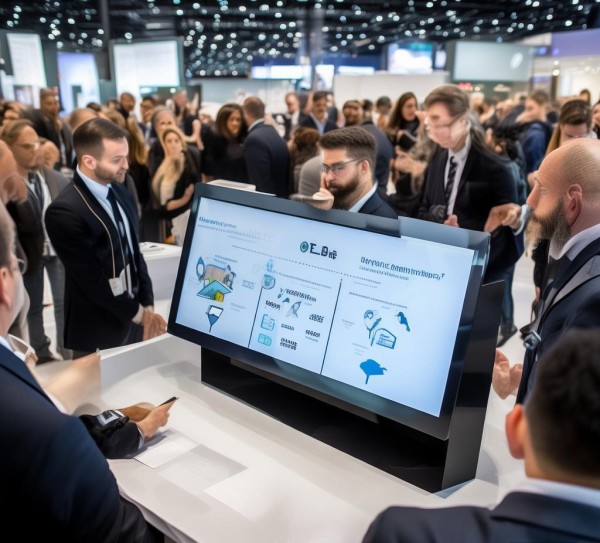
International trade shows are a cornerstone of global business communication, offering a platform to showcase products, services, and brand values, and to meet potential clients, partners, and suppliers. These events provide a strategic opportunity to present ideas, build relationships, and negotiate terms that can lead to future business opportunities. However, navigating the complexities of international trade shows, particularly in writing an effective English biz negotiation, can be challenging. This guide provides insights to help you craft a compelling negotiation that enhances your chances of success in a trade show setting.
Importance of EnglishBiz Negotiation
Building strong business relationships is crucial in trade shows. These relationships can lead to future contracts, partnerships, or joint ventures. A well-crafted negotiation can demonstrate your value, showcase your strengths, and establish a competitive edge. Additionally, trade shows often serve as a platform for presenting your business value, making clear communication essential to avoid misunderstandings.
Key Components of Effective EnglishBiz Negotiation
**Understanding the Market Environment** - **Economic Conditions**: Gain insights into the global economy, including GDP growth, inflation, and consumer spending trends. - **Global Trade Patterns**: Familiarize yourself with major economies in your target region and their purchasing power. - **Competitive Landscape**: Analyze the strengths and weaknesses of competitors, including pricing models, market share, and customer segments.
-
Researching the Company
- Market Research: Conduct thorough research to understand your target audience, their needs, pain points, and competitors.
- Brand Image: Develop a strong brand identity that aligns with your target market’s values, vision, and mission.
-
Understanding the Trade Show
- Trade Show Format: Learn the structure of the event, including the number and types of booths (product, service, vendor showcases), and the timeline.
- Company Displays: Identify the most impactful and relevant company displays in your trade show.
-
Developing a Negotiation Strategy
- Key Questions: Identify key questions to ask during the negotiation, such as:
- What is your brand value?
- What are the key pain points of the target audience?
- How will we differentiate our company from competitors?
- What is the expected timeline and pricing structure?
- Relationship Building: Use negotiations to strengthen business relationships with potential clients or partners.
- Key Questions: Identify key questions to ask during the negotiation, such as:
-
Effective Visuals and Non-Verbal Communication
- Highlight Key Points: Use high-quality visuals, such as photos, logos, and videos, to emphasize key business points.
- Body Language and Tone: Employ non-verbal cues like eye contact, body language, and tone of voice to convey your intentions and emotions effectively.
-
Practice and Preparation
- Simulated Environment: Practice negotiating in a simulated environment to improve your communication skills.
- Previous Negotiations: Review successful negotiate to identify patterns and refine your negotiation strategies.
Case Study: Writing an Effective EnglishBiz Negotiation in an International Trade Show
Case Study: Company A wants to enter the Asia-Pacific market and has identified potential client Company B. Company A has conducted market research and developed a unique product. The trade show is scheduled for the second quarter of this year. Company A has identified the following key booths to showcase their product: - Product Showcase 1: Focus on the unique features and benefits of the product. - Service Showcase 2: Highlight the service offerings that align with the target market’s needs. - Vendor Showcase 3: Showcase Company A’s supply chain, distribution network, and logistics.
The negotiation process begins with introducing the trade show as a strategic opportunity to expand your business and meet potential clients. Company A presents its strengths, such as their brand image, market research, and unique product. Company B is interested in entering the market and has provided a detailed business plan.
The trade show setup includes the following booths:
- Product Showcase 1: Focus on the unique features and benefits of the product.
- Service Showcase 2: Highlight the service offerings that align with the target market’s needs.
- Vendor Showcase 3: Showcase Company A’s supply chain, distribution network, and logistics.
The negotiation process is structured as follows:
- Begin the negotiation by introducing the trade show as a strategic opportunity.
- Present Company A’s strengths, such as their brand image, market research, and unique product.
- Clearly communicate expectations, including the expected timeline, pricing structure, and expected outcomes.
- Use the negotiation to build a strong personal relationship with Company B, demonstrating commitment to the market and the ability to deliver value.
- Conclude the negotiation with a clear and concise agreement that aligns with the expected timeline and pricing structure.
Conclusion
Effective negotiation in an international trade show requires a strategic approach to understanding the market environment, researching your company, and developing a negotiation strategy. By focusing on key components such as market research, understanding the trade show format, and building relationships, you can stand a competitive advantage in a global business context. Remember to use visuals effectively, practice your negotiation skills, and stay focused on the key questions during the negotiation to ensure a smooth and successful outcome.